
It might seem that in-flight entertainment systems appeared relatively recently — just 30–40 years ago. However, their history dates back to the beginning of civil aviation — the 1920s.
Imagine: it's 1914, you're flying from Grand Rapids to Detroit for two hours, and the only entertainment is the view from the window. Today, this sounds unusual, but that's how the era of air travel began.
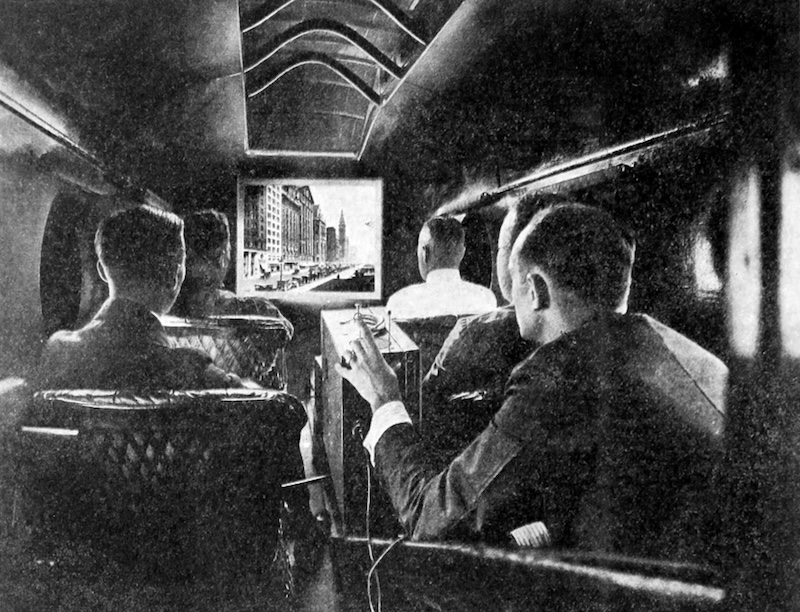
The first film screening on board took place in August 1921. It was organized by Aeromarine Airways on a sightseeing flight over Chicago. Passengers were shown a unique “video tour” of the city.
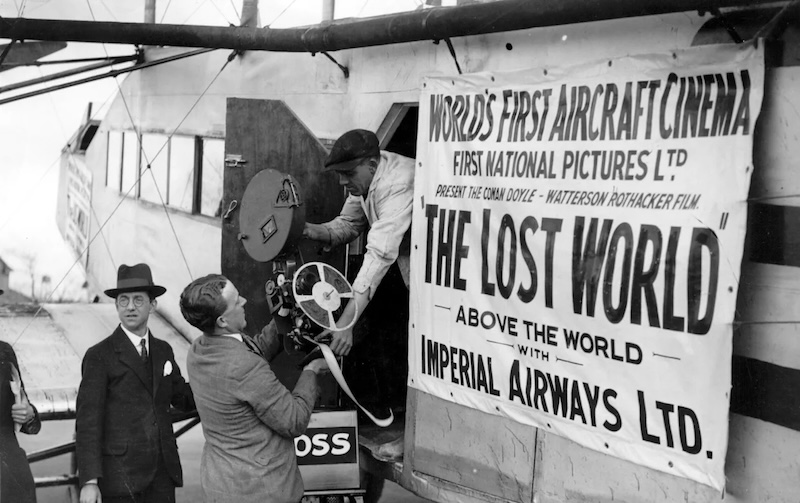
As early as 1919, passengers on the London-Paris flight were served meals for the first time. And in 1925, they became the first audience for regular film screenings: the movie “The Lost World,” based on Arthur Conan Doyle's novel, was shown on board.
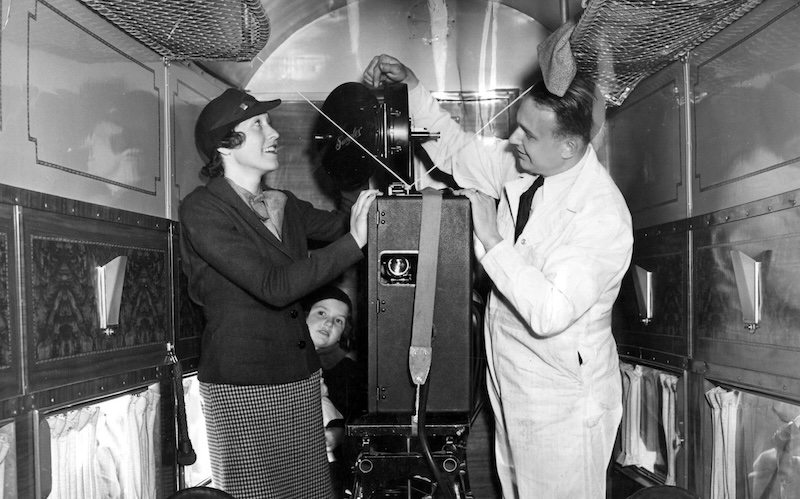
From a technical standpoint, everything was simple: a projector was placed in the rear of the cabin, and a screen in the front. The films remained silent, but the atmosphere was enhanced by live music — an orchestra broadcast directly from the ground via radio.
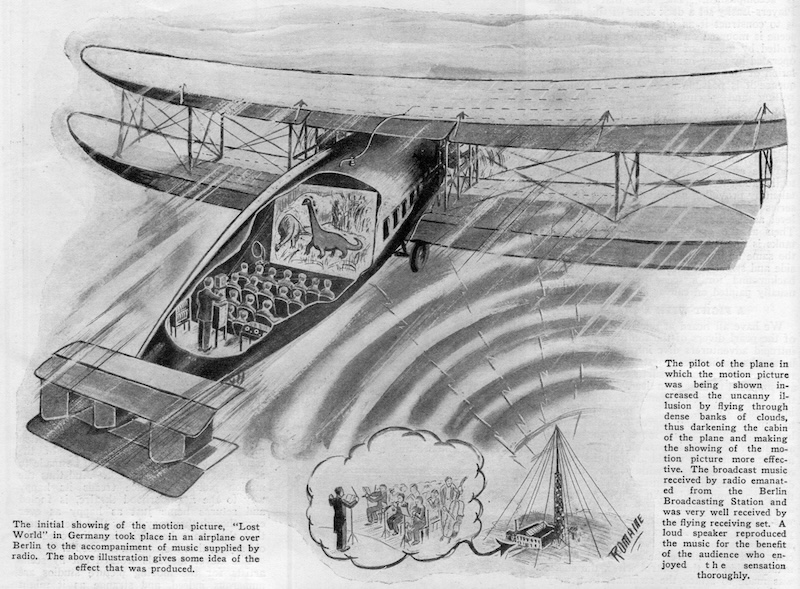
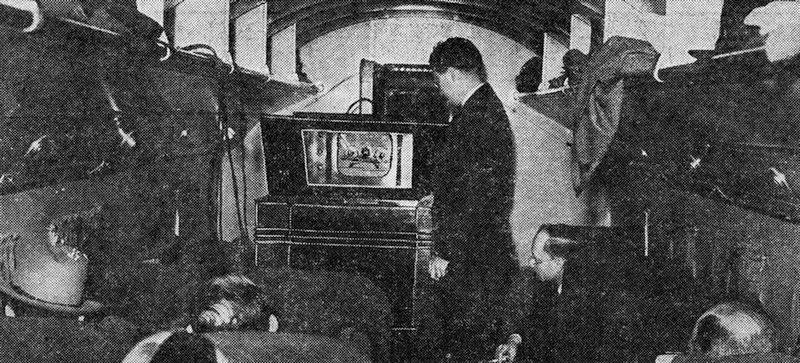
In 1932, Western Air Express went even further and organized the first television broadcast on board an airplane.
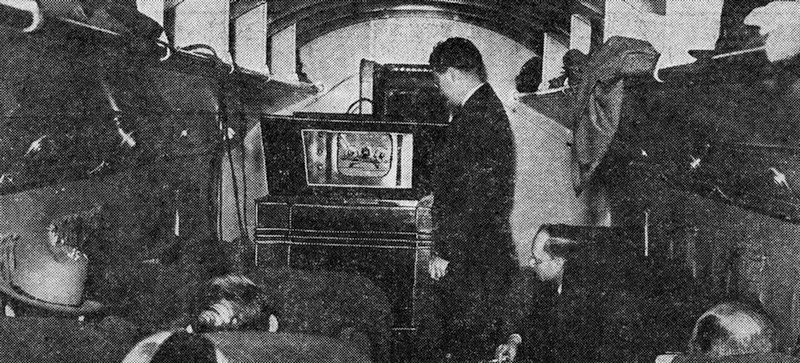
In those years, airships posed serious competition to airplanes. A transatlantic flight took up to two and a half days, so they created a full-fledged entertainment infrastructure on board: concert halls, bars, and even televisions.
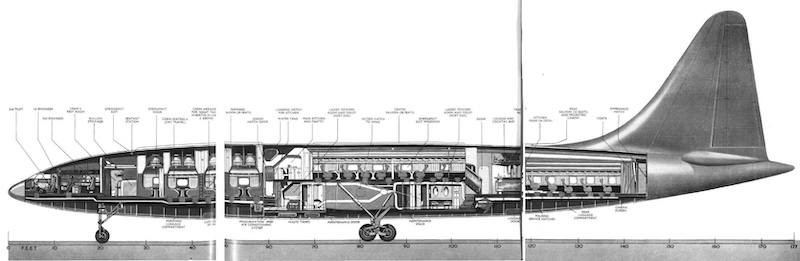
One of the most ambitious projects was the British aircraft Bristol 167 Brabazon (1949). It was supposed to have a full-fledged cinema with 37 seats. However, the project never went into mass production — only one prototype was built.
Despite impressive engineering solutions, in-flight entertainment only became widespread in the 1960s. A turning point was the work of Inflight Motion Pictures, which developed compact film projectors for airplanes.
Engineer David Flexer proposed using 16-millimeter film on horizontal reels, which significantly reduced the size of the equipment.
Trans World Airlines was the first airline with a full-fledged entertainment system in 1961. Just a year later, regular film screenings appeared on Pakistan International Airlines.
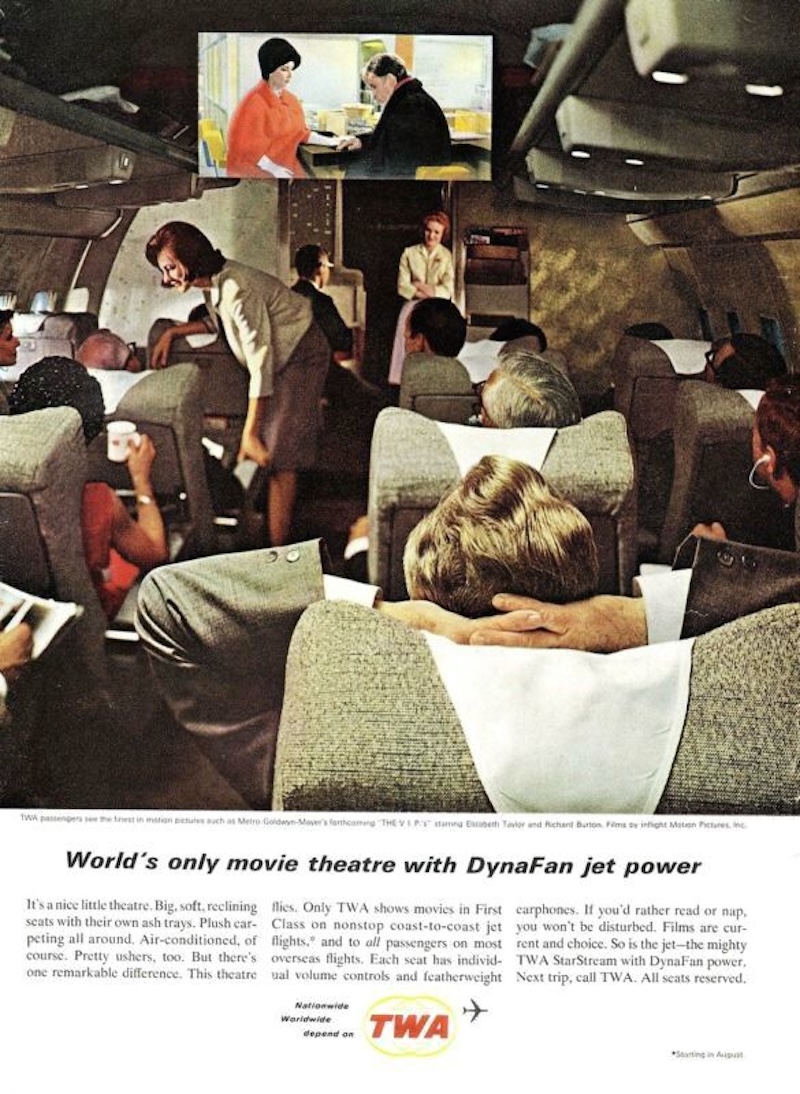
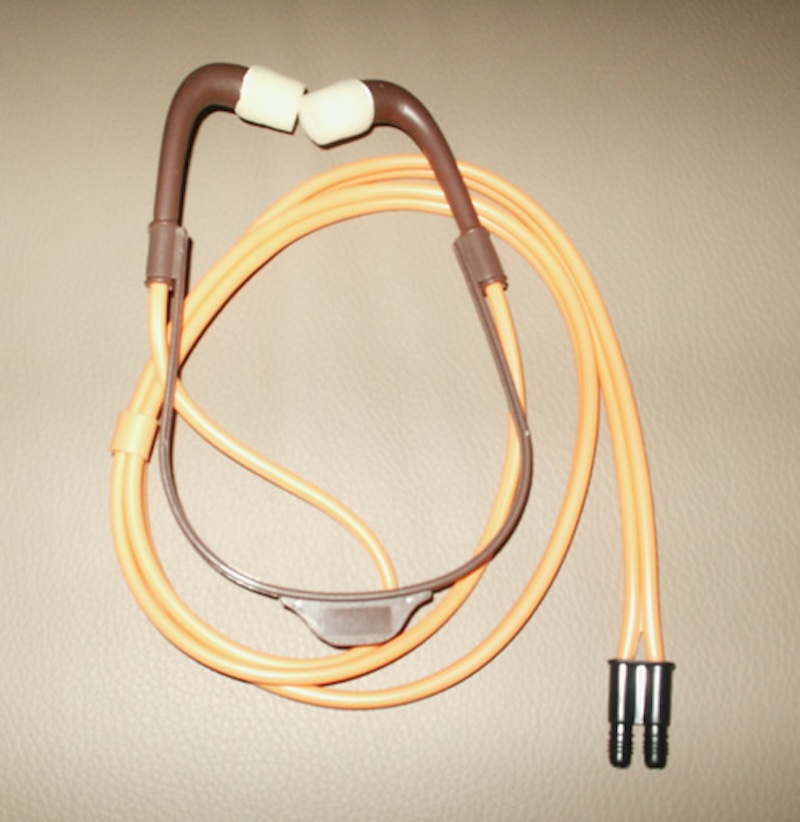
Sound in those years was transmitted through unusual pneumatic headphones, resembling a stethoscope. Air was supplied through tubes directly to the passenger seats. Such systems lasted surprisingly long: for example, Delta Airlines used them until 2003.
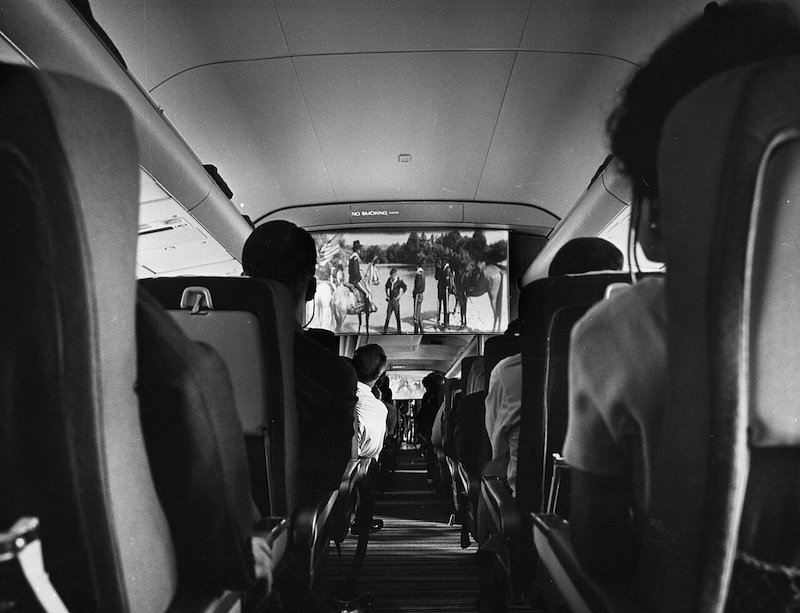
By the end of the 1960s, VCRs appeared on board. This allowed for the installation of several screens under the cabin ceiling, making viewing accessible to all passengers. However, the system had a significant drawback: one screen in the front was poorly visible from the rear of the aircraft.
This continued for almost two decades until built-in individual screens appeared in the early 1980s. They were installed, in particular, on the Boeing 767, and films were played from video cassettes and laser discs.
Similar systems were also used in Soviet aviation — on the Il-86, Il-96, and Tu-154M. However, in practice, they often did not work and remained more of a demonstration of technological capabilities.
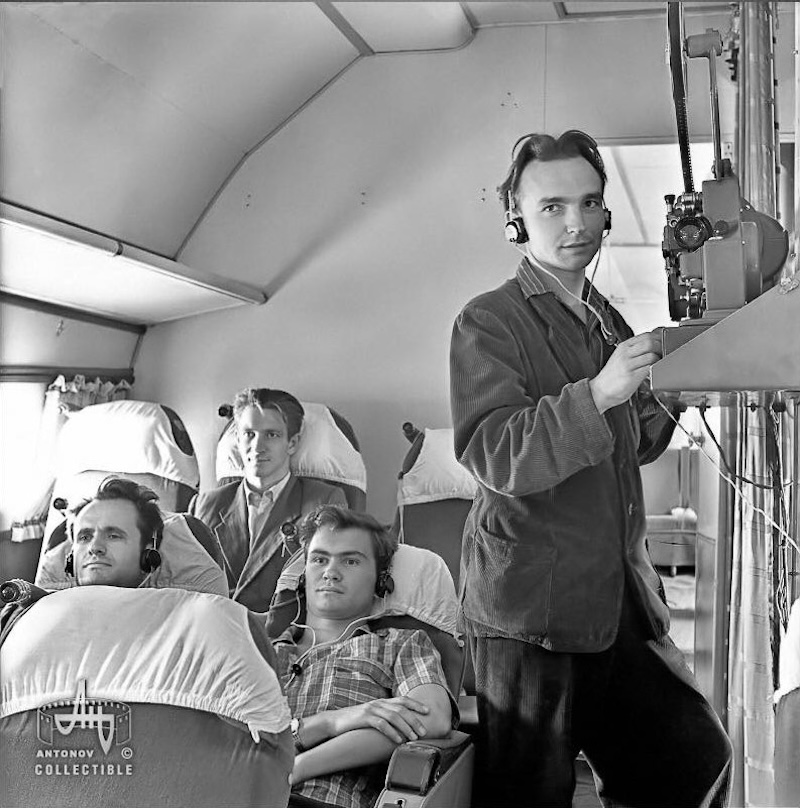
The main problem with early systems remained their “collectivity”: all passengers watched the same film. The most one could choose was the language of the audio track.
It was this limitation that prompted engineers to create personalized entertainment systems. How they managed to solve this problem — in the next part.